Published: 07-27-2026, 09:38 am
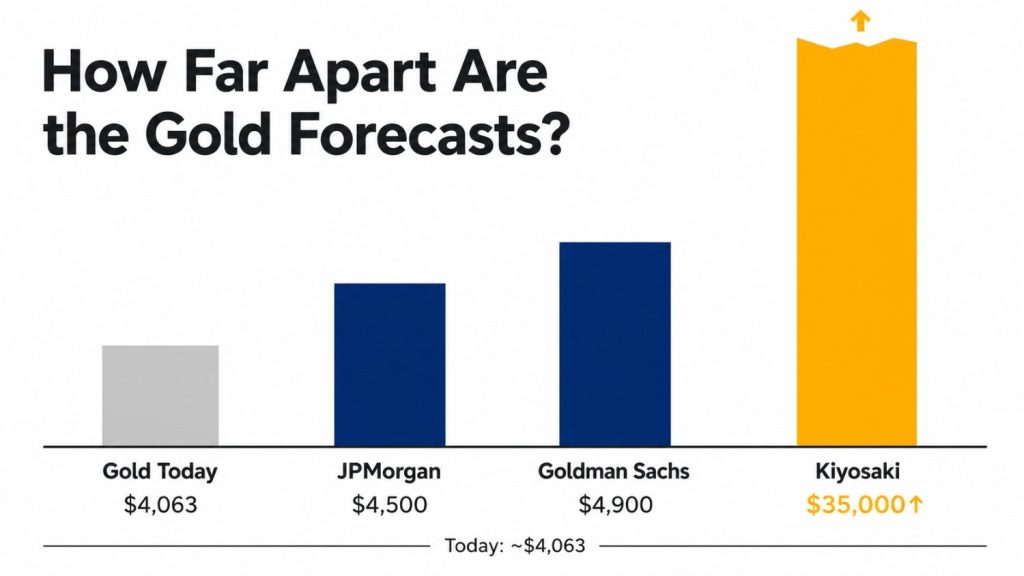
Gold climbed more than 1% on Monday, July 27, 2026, to trade around $4,088 per ounce. The catalyst: crude oil tumbled roughly 7% after the United States and Iran suspended their 13-night exchange of strikes over the weekend. Silver outpaced gold, rising more than 2% to near $59 per ounce. Both moves reflect the same underlying force — and that force is not what most headlines will tell you.
The short answer: falling oil reduces inflation expectations, which lowers rate-hike odds, which makes non-yielding gold comparatively more attractive. The longer answer explains why gold fell during the conflict — and why understanding that inversion matters more than today’s number.
Why Did Gold Fall During the Iran War — and Rise When Oil Did?
Gold is traditionally described as an inflation hedge. Consequently, when the US-Iran conflict began on Saturday, February 28, 2026, and oil surged above $100 per barrel, most investors expected gold to rally. Instead, gold dropped roughly 12% from pre-conflict levels to nine-month lows last week — having already fallen sharply from its January all-time high of $5,589 per ounce.
The reason sits in a three-step transmission chain. First, surging oil drove headline inflation higher. Second, higher inflation pushed rate-hike odds sharply upward — September saw roughly 82% hike probability priced in as of last week, up from about 52% just seven days earlier, per CME FedWatch data. Third, higher expected rates raise the opportunity cost of holding a non-yielding asset like gold, making it less attractive. The same war that sent oil above $100 sent gold toward nine-month lows. Today’s oil drop reverses every step in that chain.
The Edge Every Investor Needs Smarter precious metals investing starts here. The Nuggets Newsletter brings you essential market insights, Fed updates, global trends, educational videos, and much more.
What Is Happening With Gold Prices Today?
The unannounced strike halt began over the weekend. A senior Iranian official told Reuters on Sunday that Tehran would maintain its ceasefire as long as Washington does the same. US Ambassador Mike Waltz confirmed the pause on Fox News Sunday, noting that President Trump wanted to create space for diplomacy.
The market response was immediate. Brent crude fell roughly 7 to 8% on Monday to below $90 per barrel, its lowest level since July 20. As rate-hike odds softened, gold’s opportunity cost fell and buyers returned. Silver, meanwhile, compressed the gold-silver ratio from 69.73 on Friday to 68.93. Silver outperformed because its dual industrial and monetary demand engines both recovered simultaneously when rate fears eased.
That said, the rally carries a caveat. The Strait of Hormuz remains officially restricted. Furthermore, Houthi forces attacked Saudi Aramco Red Sea facilities over the weekend, and no formal agreement between the US and Iran exists. The pause is a pause — not a resolution.
What Does the Iran Pause Mean for the Fed’s July 29 Decision?
The Federal Reserve opens its two-day meeting tomorrow, Tuesday, July 28. The rate decision arrives Wednesday, July 29, at 2:00 PM ET. Markets were pricing roughly a 61 to 65% probability of a hold as of Friday.
Today’s oil collapse eases the inflation pressure that had pushed the hawkish half of the committee toward a hike. Moreover, Chair Kevin Warsh declined to submit his own projection at the June meeting. As a result, Wednesday’s press conference at 2:30 PM ET matters more than the decision itself — Warsh’s tone will define September. June PCE data follows Thursday morning, July 30, at 8:30 AM ET. A softer reading, likely given cooler June energy costs, would further reduce September hike pressure.
The Story Most Investors Are Missing
Gold has now held above $4,000 per ounce through thirteen consecutive nights of US bombing raids on Iran, oil surging past $100, and September rate-hike probability climbing to 82%. At every point when rate-tightening pressure should have broken the floor, it held.
Compare that to April 8, when the first two-week ceasefire sent gold roughly 2% higher to around $4,790 in a single session. The more important signal, however, is not what gold did when good news arrived. It is that gold refused to break when there was no good news at all.
The structural reason: central bank demand has not paused during the conflict. Specifically, the People’s Bank of China has been accumulating gold for twenty consecutive months through June 2026. In other words, the oil-inflation-rate mechanism that suppressed gold this cycle is cyclical. The central bank accumulation and fiscal expansion underpinning the structural bull case are not. The floor held because the structural buyers never left.
Watch September rate-hike probability via CME FedWatch — specifically the 70% threshold — and Thursday’s PCE print as the two numbers that define gold’s next directional move.
Stay On Top of Gold & Silver Prices
Get important market alerts sent straight to your inbox.
SOURCES1. GoldSilver — Live Gold and Silver Spot Prices, July 27, 20262. Reuters via Business Recorder — Iran will halt attacks as long as US does the same, July 27, 20263. Fox News — US strikes on Iran paused; Ambassador Waltz confirms space for diplomacy, July 27, 20264. NBC News — Oil prices slide as US and Iran pause strikes, July 27, 20265. Saxo Bank — Market Quick Take: Oil gaps lower as US-Iran strikes pause, July 27, 20266. CME Group — FedWatch Tool, July 2026 FOMC Rate Probabilities7. Federal Reserve — FOMC Statement and Minutes, June 16–17, 20268. CNBC — Fed rate decision: Odds surge for hike as oil rips higher, July 23, 20269. FXStreet — Silver Price Today: Gold/Silver Ratio 68.93, July 27, 202610. House of Commons Library — US-Iran Ceasefire and Nuclear Talks in 202611. Silver Institute — World Silver Survey 2026 (Metals Focus)12. Bureau of Economic Analysis — PCE Price Index, July 30, 2026 release
Disclaimer: This article is for informational purposes only and does not constitute financial or investment advice. Always consult a qualified financial adviser before making investment decisions.
You May Also Like:
Source link