Silver occupies a unique position in the investment world. It has served as money and a store of value for thousands of years, yet today more than half of all silver demand comes from industry — solar panels, electric vehicles, electronics, and medical devices. That dual nature is what makes silver different from any other investment asset. So is silver a good investment? In this guide, the team at BullionStar draws on years of experience in the precious metals market to answer that question, and explain exactly why.
Is Buying Silver a Good Investment?
Yes, we believe silver is a good investment, and one that deserves a place in most investors’ portfolios. It is important to note this does not mean you should hold silver exclusively, or even as your primary precious metals position. Silver is a good investment when it forms part of a balanced portfolio — ideally alongside gold, which offers greater stability. What silver brings to the table is something distinct: the potential for strong returns driven by both investment demand and real-world industrial consumption.
Why Is Silver a Good Investment?
Below are some of the key reasons we believe silver is worth investing in:
Dual Demand Drivers — Unlike gold, silver benefits from two independent sources of demand. As a monetary metal it acts as a store of value and inflation hedge; as an industrial metal it is essential to solar panels, EV components, semiconductors, and medical equipment. This means silver’s price is supported by structural trends in both finance and technology simultaneously.
Lower Entry Price — Silver’s price per ounce is a fraction of gold’s, making it accessible to a much wider range of investors. This lower entry point makes it easier to build a position gradually and to hold physical silver in meaningful quantities without requiring large upfront capital.
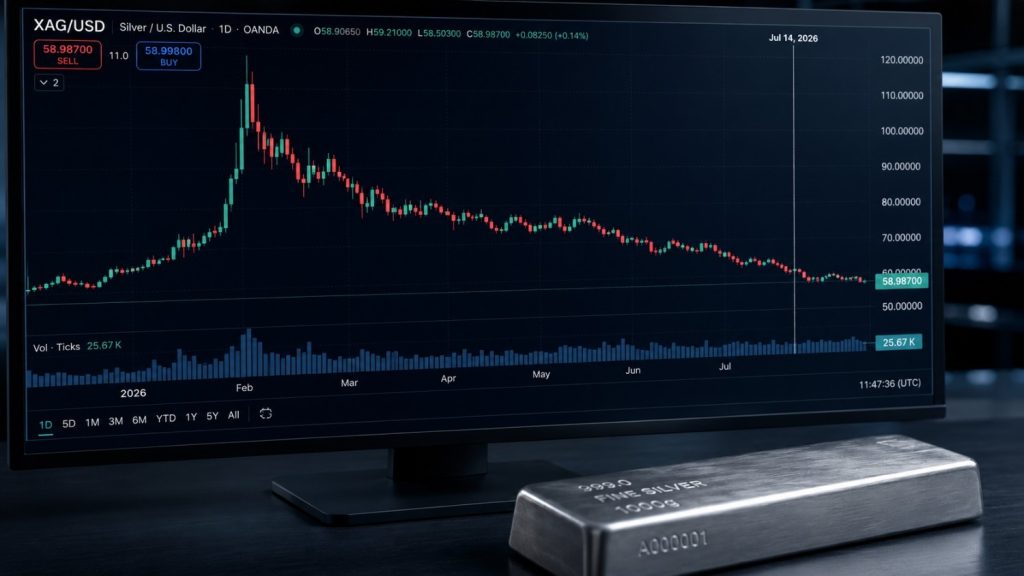
High Upside Potential — Silver’s smaller market size means it is capable of sharper price moves than gold. In a precious metals bull market, silver consistently outperforms. Between 2024 and early 2026, silver’s percentage gains substantially exceeded gold’s, and the metal hit a new all-time high of US$122.88 per ounce in January 2026.
Inflation Hedge — Like gold, silver preserves purchasing power over time. It is a physical asset with a finite supply that no government can print, and historically it has tracked or outperformed inflation over long timeframes.
Is Silver Still a Good Investment?
Silver hit a new all-time high of US$122.88 per ounce in January 2026 before easing back to around US$65 at current trading prices. While a pullback of this scale is significant, it follows one of the sharpest rallies in silver’s recent history, and the demand that drove the rally has not eased. For an investor who watched the rally from the sidelines, the current level offers an accessible entry point, with the longer term rationale substantially intact.
The structural drivers underpinning silver’s price continue to strengthen. Industrial demand is growing, led by the global roll-out of solar energy and electric vehicles, both of which are highly silver-intensive. At the same time, above-ground silver inventories have been in deficit for several years. Investment demand, meanwhile, remains supported by the same macro environment driving gold: inflation concerns, dollar weakness, and geopolitical uncertainty. For investors asking whether silver is still a good investment today, the answer is yes — particularly as part of a diversified precious metals allocation.
Pros and Cons of Investing in Silver
Like any investment, there are benefits and risks to investing in silver, which are worth weighing up against your personal situation and goals. Below is a table summarising the key silver investment pros and cons.
Pros
Cons
Low Entry Price — Accessible to investors at any budget
Higher Volatility — Price swings are sharper than gold
High Upside Potential — Tends to outperform gold in bull markets
No Yield — Return is only realised when sold
Industrial Demand — Structural support from solar, EVs, and electronics
Storage Costs — Silver is bulkier than gold for equivalent value
Inflation Hedge — Preserves purchasing power over time
Economic Sensitivity — Industrial demand can weaken during downturns
Physical Asset — No counterparty risk
Tax Considerations — May be subject to capital gains tax depending on jurisdiction
The question of whether silver is a good or bad investment often comes down to how you feel about volatility. Silver’s smaller market and large industrial demand make it more reactive than gold, and it can fall sharply when economic conditions weaken and industrial activity slows. That is the core silver investment risk to understand going in. The flip side is that this same volatility is what produces silver’s strong upside during favourable conditions; investors who can hold through periods of turbulence have historically been rewarded.
Silver’s industrial role is the other key factor that sets it apart from gold. Demand from solar panels alone has surged in recent years — the photovoltaic industry now consumes a significant and growing share of annual silver supply, and that demand is largely price-insensitive. Electric vehicles, semiconductors, and medical equipment add further structural support. This is demand that doesn’t disappear based on investor sentiment; it is driven by long-term global trends that are unlikely to reverse. For investors, that underlying industrial floor provides a degree of support that a purely monetary metal like gold doesn’t have.
Silver Storage
Storage is one area where silver does require some consideration. Because silver’s value per ounce is far lower than gold’s, holding an equivalent monetary value in silver means holding significantly more physical weight and volume. Keeping modest amounts at home is perfectly practical, but for larger holdings, professional storage is worth considering. At BullionStar, we offer silver storage in Singapore, with fees from just 0.59% per annum for silver bullion and 0.19% per annum for our Bullion Savings Program, keeping costs manageable even as your position grows.
Tax on Silver
On tax, Singapore remains one of the most favourable jurisdictions in the world for precious metals investment. Qualifying Investment Precious Metals (IPM), including most of the silver bars and coins sold by BullionStar, can be purchased free of GST and sold without capital gains tax. For international investors, tax treatment will vary by country of residence, and we recommend checking the rules that apply to you.
Silver’s Historical Performance and Outlook
Silver’s price history looks different from gold’s — choppier, with long flat periods followed by sharp moves in both directions. But zoom out, and the long-term picture is one of substantial gains and a metal whose fundamental drivers are stronger today than at almost any previous point in its history. Understanding both the historical record and the forces shaping silver’s outlook is key to investing in it with confidence.
Silver’s Historical Returns
Silver’s long-term performance is one of the strongest arguments for owning it. Over the past 50 years, silver has risen from around US$4.77 per ounce to the current price of approximately US$55 — a gain of roughly 1,100%. The path has not been as smooth as gold’s, but for patient investors the returns have been substantial.
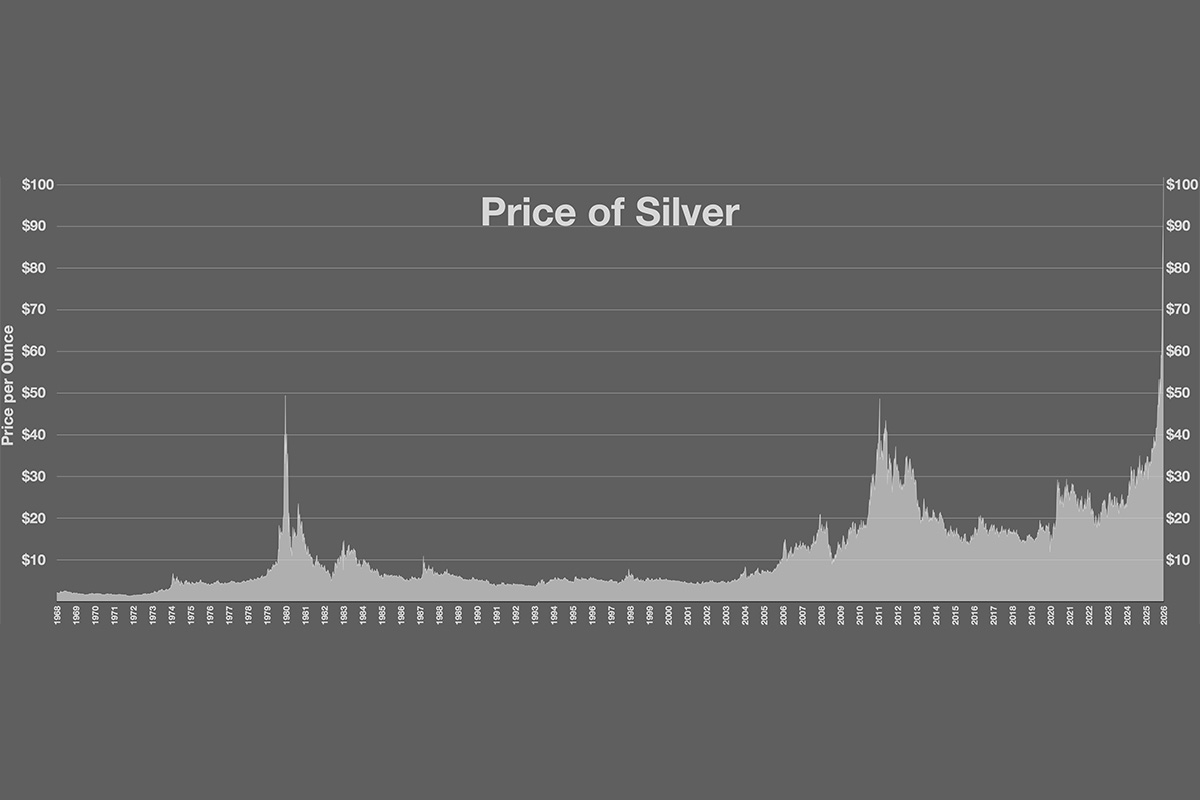
The long-term silver price chart tells an important story. Silver can trade sideways for extended periods before moving sharply higher, often catching up with (and overtaking) gold during periods of strong precious metals demand. That pattern repeated itself in 2024 and 2025, when silver’s percentage gains substantially exceeded gold’s during the same bull market phase, culminating in a new all-time high of US$122.88 per ounce in January 2026.
Silver’s historical returns also demonstrate its safe haven credentials, though with an important nuance. During crises, silver’s initial reaction is often sharper than gold’s, reflecting its smaller market and the role industrial demand plays in its price. During the Covid-19 sell-off in early 2020, silver fell approximately 36% in under two weeks as investors liquidated assets and industrial demand expectations collapsed. Gold, by contrast, dipped around 15% over the same period. However, silver’s recovery was equally dramatic — by August 2020 it had not only recouped its losses but pushed to multi-year highs. The pattern is consistent across market cycles: silver tends to lag gold in the initial shock, then catch up strongly in the recovery.
As an inflation hedge, silver has a strong long-run record. Because it is a finite physical asset with no counterparty risk, it holds its purchasing power over time in a way that cash and bonds cannot. During the inflationary environment of 2021–2023, silver responded positively to rising prices and dollar weakness, reinforcing its role alongside gold as a store of value.
Silver Outlook
The silver outlook for the coming years is broadly positive, underpinned by a combination of investment demand and powerful structural trends in industry.
On the industrial side, the key driver is the global energy transition. Silver is a critical component in photovoltaic solar cells, and as solar installation capacity continues to expand worldwide, demand for silver is rising with it. Electric vehicles add further pressure — silver is used extensively in EV charging infrastructure and power electronics. These are not cyclical trends that will reverse; they reflect long-term commitments by governments and industries around the world to decarbonise. Silver supply, meanwhile, has struggled to keep pace, with the silver market running a structural deficit for several consecutive years.
On the investment side, the macro environment that drove the silver price to its January 2026 all-time high has not materially changed. Inflation remains a concern in many economies, the US dollar faces long-term headwinds from fiscal deficits and de-dollarisation trends, and geopolitical uncertainty continues to support demand for hard assets. When investment demand and industrial demand align, as they did through 2024 and into 2026, silver’s price can move very quickly.
The silver outlook for 2027 and beyond remains constructive. Supply deficits, growing industrial consumption, and a supportive macro backdrop suggest the long-term trend for silver prices is upward, even if short-term volatility remains part of the picture.
Silver vs Gold as an Investment
Gold and silver are the two most widely held precious metals, and for most investors the question isn’t which one to buy but how to split between them. The short answer is that they serve different purposes. Gold is the more stable of the two, with lower volatility, deeper liquidity, and a well-established role as a safe-haven asset. Silver is more dynamic, more sensitive to economic conditions, capable of sharper moves in both directions, and uniquely exposed to industrial demand in a way gold is not.
The practical implication is that silver tends to outperform gold during periods of strong precious metals sentiment, but underperform during sudden market shocks when investors prioritise safety. Compared to other assets such as stocks or bonds, silver offers something neither can: a physical store of value with no counterparty risk, combined with genuine industrial utility. Stocks may deliver dividends and bonds a fixed yield, but neither provides the inflation protection or crisis resilience that silver held as a physical asset can offer.
For a full breakdown of how the two metals compare across returns, volatility, monetary history, and practical buying considerations, see our dedicated Gold vs Silver guide.
Is Silver a Hedge Against Inflation?
Yes, silver is a hedge against inflation. As a finite physical asset that no government can print or devalue, silver preserves purchasing power over time in a way that cash cannot. Over long timeframes, silver has tracked or outperformed inflation, holding its real value while the purchasing power of paper currencies has steadily eroded.
It is worth understanding how silver’s hedging properties differ slightly from gold’s. Gold’s inflation-hedging role is well established and relatively consistent — investors rotate into it specifically as a defensive move when inflation rises. Silver responds to inflation too, but its price is also influenced by industrial demand and economic growth. In a high-inflation, high-growth environment, both forces work in silver’s favour simultaneously, which is why silver can outperform gold as an inflation hedge in certain conditions. In a stagflationary environment (high inflation combined with weak growth) gold tends to be the more reliable hedge of the two.
For investors asking whether silver is a hedge more broadly, the answer is yes. It hedges against inflation, currency debasement, and the systemic risks of the traditional financial system — all of the same things gold hedges against, with the added upside potential that its dual industrial and monetary demand provides.
Frequently Asked Questions
Is silver a good investment in 2026?
Yes, silver is a good investment in 2026. The metal hit a new all-time high of US$122.88 per ounce in January 2026 before pulling back to around US$55, creating an attractive entry point for investors who missed the initial rally. The long-term drivers of growing demand and supply deficits remain firmly in place. For investors looking to add silver to their portfolio, current prices represent a meaningful discount to recent highs without the underlying case having changed.
What’s the silver investment outlook for 2027?
The silver outlook for 2027 is positive. The structural supply deficit that has characterised the silver market in recent years is expected to persist, as mining supply struggles to keep pace with growing industrial consumption. Solar panel manufacturing alone is projected to consume an increasing share of annual silver supply through 2027 and beyond, with electric vehicle production adding further demand. The combination of constrained supply and rising demand from multiple sources supports a constructive outlook for silver prices over the medium term.
Is silver undervalued at current prices?
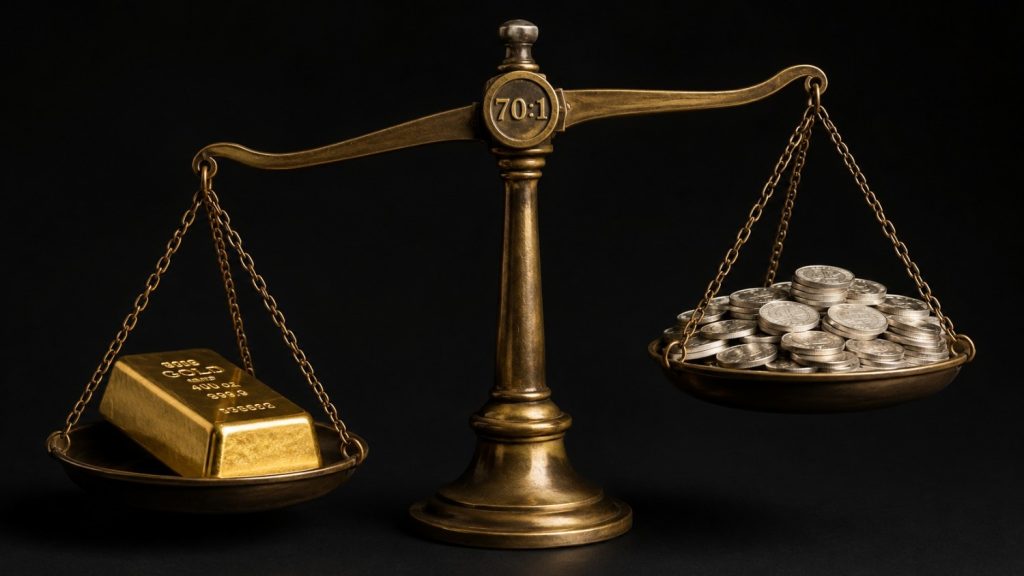
There is a reasonable case that silver is undervalued relative to its fundamentals. The gold-silver ratio currently sits at approximately 72, meaning one ounce of gold buys roughly 72 ounces of silver. During previous precious metals bull markets, this ratio has compressed significantly (sometimes to 30 or below) as silver outperforms. If the current bull market has further to run, historical precedent suggests silver has room to close that gap. The fundamental picture reinforces this — persistent supply deficits and growing industrial demand suggest silver has not yet fully priced in its structural drivers. That said, no asset is guaranteed to rise, and individual circumstances should always guide investment decisions.
Are silver coins better than silver bars?
Neither is universally better, and the right choice depends on your priorities. Silver bars typically carry lower premiums over the spot price, making them more cost-efficient for investors building larger positions. Silver coins from recognised national mints carry slightly higher premiums but are widely recognised and usually available in lower weight denominations. For investors starting out or buying in smaller quantities, coins are often the more practical choice. For those accumulating larger holdings where cost efficiency matters, bars offer better value per ounce. Browse our full range of silver bars and silver coins to compare current options.
Is physical silver a good investment?
Yes, physical silver is a good investment, and for many investors it is the preferred way to hold the metal. Physical silver gives you direct ownership of a tangible asset with no counterparty risk. Unlike silver ETFs, certificates, or futures contracts, physical silver does not depend on any institution remaining solvent or honouring its obligations. What you hold is simply yours.
How much of my portfolio should be in silver?
Most financial advisers recommend allocating 5–20% of a portfolio to precious metals overall, with silver typically forming a portion of that alongside a gold position. A common starting framework is to anchor the precious metals allocation in gold given its greater stability, and hold silver as a complementary position, perhaps 20–30% of the total precious metals weighting. That said, the right allocation depends on your risk tolerance, investment horizon, and view on silver’s outlook. Investors comfortable with higher volatility and drawn to silver’s upside potential may weight it more heavily. Our Gold and Silver Portfolio Allocation guide covers the main frameworks in more detail.
Is silver a safe investment?
Silver is a safe investment in the long-term sense of preserving wealth and purchasing power — it is a finite physical asset with no counterparty risk that has held value across centuries. However, it carries more short-term volatility than gold, and investors should be prepared for sharp price swings in either direction. Silver is best approached as a long-term hold rather than a short-term trade. Held as part of a balanced portfolio alongside gold, silver’s volatility is manageable and its long-term case for capital preservation is strong.
Is Silver a Good Investment? The Bottom Line
Silver offers investors something no other asset quite replicates: a physical store of value with thousands of years of monetary history, backed by growing real-world industrial demand that is only accelerating. Its lower entry price makes it accessible, its dual demand drivers make it structurally supported, and its track record of outperforming gold during precious metals bull markets makes the long-term case compelling. Silver is a good investment, and one that rewards patient investors who understand its character.
For those who felt they missed the recent rally, the current pullback to around US$55 per ounce offers a considered entry point. Persistent supply deficits, surging industrial consumption, and a supportive macro backdrop means the structural price drivers have not changed. Silver remains well below its 2026 peak, and the conditions that drove it there remain firmly in place.
Ready to take the next step? Browse our full range of silver bars and silver coins, or get in touch with our team at [email protected] — we’re happy to help.
Source link